
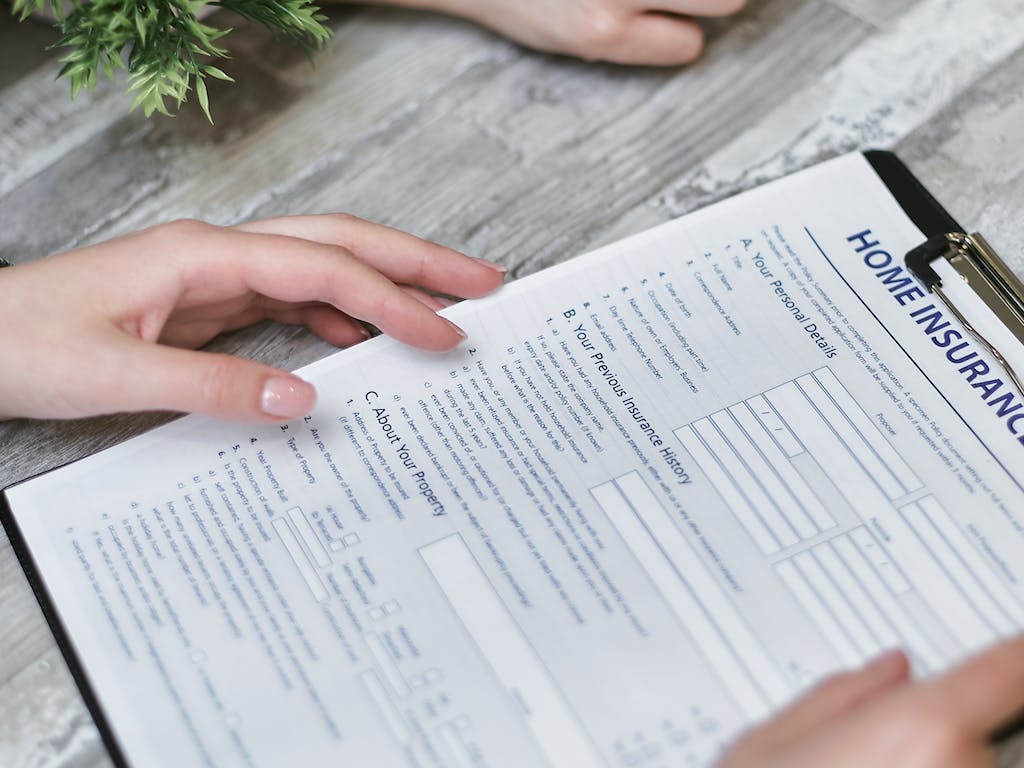
Homeowner’s insurance safeguards your most valuable asset: your home. However, understanding the world of homeowner’s insurance can be overwhelming, especially for first-time homeowners.
Below, we will simplify the homeowner’s insurance process so you can make informed decisions. From understanding coverage types to finding the right insurance provider, this guide will make homeowner’s insurance easy to understand and help protect your investment.
Understanding Coverage Types
Familiarize yourself with the different coverage types offered in homeowner’s insurance policies. These typically include dwelling coverage, personal property coverage, liability coverage, and additional living expenses coverage. Understand what each type covers and assess your needs accordingly.
Determining Policy Limits
Evaluate your home’s value, including the cost to rebuild and replace your belongings, to determine the appropriate policy limits. Avoid under-insuring your home by considering any potential risks and accounting for inflation.
Assessing Deductibles
Decide on a deductible amount that you are comfortable with. A deductible is the out-of-pocket amount you must pay before your insurance coverage kicks in. Higher deductibles can lower your premium but require a larger upfront payment in the event of a claim.
Finding the Right Insurance Provider
Research and compare insurance providers to find the one that suits your needs. Consider factors such as reputation, financial stability, customer service, and the range of coverage options they offer. Obtain quotes from multiple providers to compare premiums and coverage terms.
Understanding Exclusions and Endorsements
Review the exclusions and endorsements in your homeowner’s insurance policy. Exclusions are situations or perils not covered by the policy, while endorsements are additional coverage options that you can add to enhance your policy’s protection. Understand these aspects to ensure you have the coverage you need.
Bundling Policies
Consider bundling your homeowner’s insurance with other policies, such as auto insurance, to potentially save on premiums. Many insurance companies also provide discounts for bundling policies. This can lead to significant cost savings.
Managing Claims
Familiarize yourself with the claims process of your insurance provider. Know how to report a claim, what information to gather, and the timeline for claim resolution. Keep a detailed inventory of your belongings and their value to facilitate the claims process in case of loss or damage.
Reviewing and Updating Your Policy
Regularly review your homeowner’s insurance policy and check if it still meets your needs. As your circumstances change, such as renovations or acquiring new valuable possessions, update your policy accordingly to maintain adequate coverage.