
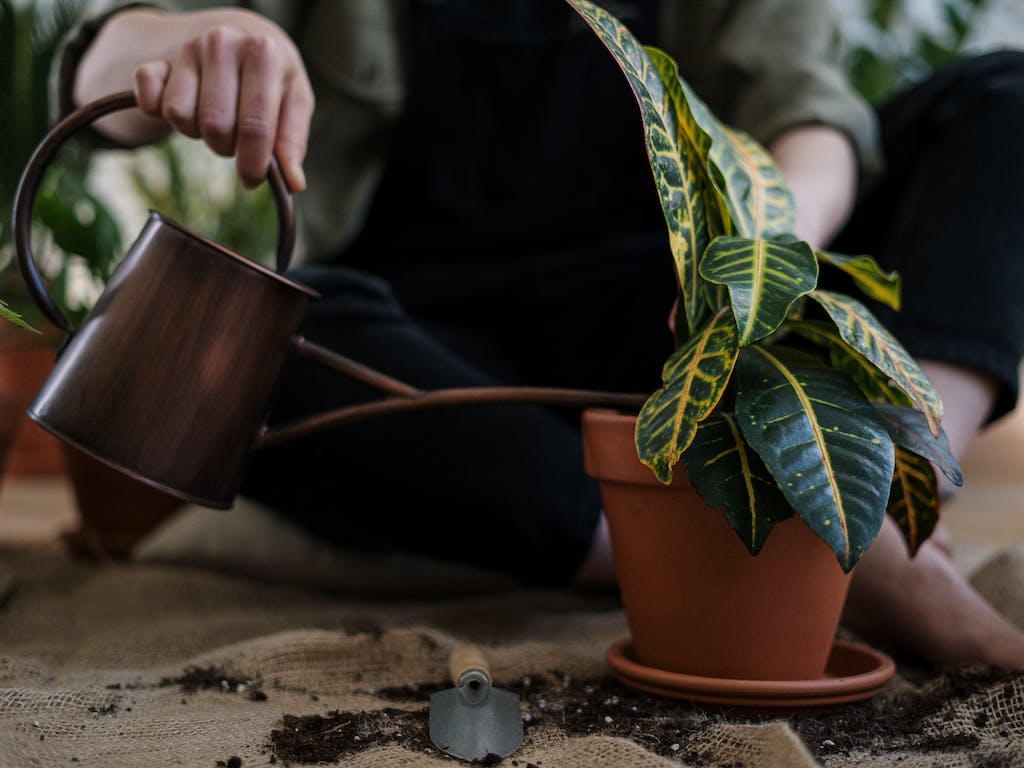
Gardening is a popular hobby and a rewarding way to beautify your home and connect with nature. However, the prospect of starting a garden can be daunting for beginners. With so much information out there, it can be overwhelming to know where to begin. Fear not, as this article aims to provide simple and practical advice for budding gardeners.
Selecting the Right Plants
The first step to successful home gardening is choosing the right plants. Consider the climate, sunlight exposure, and soil conditions in your area. Opt for plants that thrive in these conditions, making maintenance much more accessible. Additionally, select plants that you find aesthetically pleasing and that align with your preferences.
Preparing the Soil
Before planting, prepare the soil properly. Start by removing any weeds or rocks that may hinder plant growth. Work the soil with a shovel or a garden fork to improve drainage and aeration. Add manure to enrich the soil with nutrients. This will provide a solid foundation for your plants to flourish.
Sunlight
Understanding the sunlight requirements of your plants is essential for their success. Some plants thrive in full sun, requiring at least six hours of direct sunlight daily. Others may prefer partial shade or full shade. Watch your garden throughout the day to determine which areas receive the most sunlight. This will help you decide where to place different plants within your garden.
Pest Management
Garden pests can be a nuisance and cause damage to your beloved plants. Avoid using harsh chemicals and consider natural methods for pest management. Encourage natural predators like ladybugs and lacewings that feed on harmful insects. You can also use companion planting by placing plants that repel pests near each other. Inspect your plants for signs of damage and fix it promptly to prevent further harm.
Maintenance and Regular Care
Maintaining a garden requires regular care and attention. This includes weeding regularly to prevent weed competition for nutrients and water. Pruning plants to encourage healthy growth and remove dead or diseased branches is also essential. Additionally, monitor the overall health of your plants by checking for signs of nutrient deficiency or disease. Taking preventative measures and addressing issues promptly will help ensure a vibrant and thriving garden.