
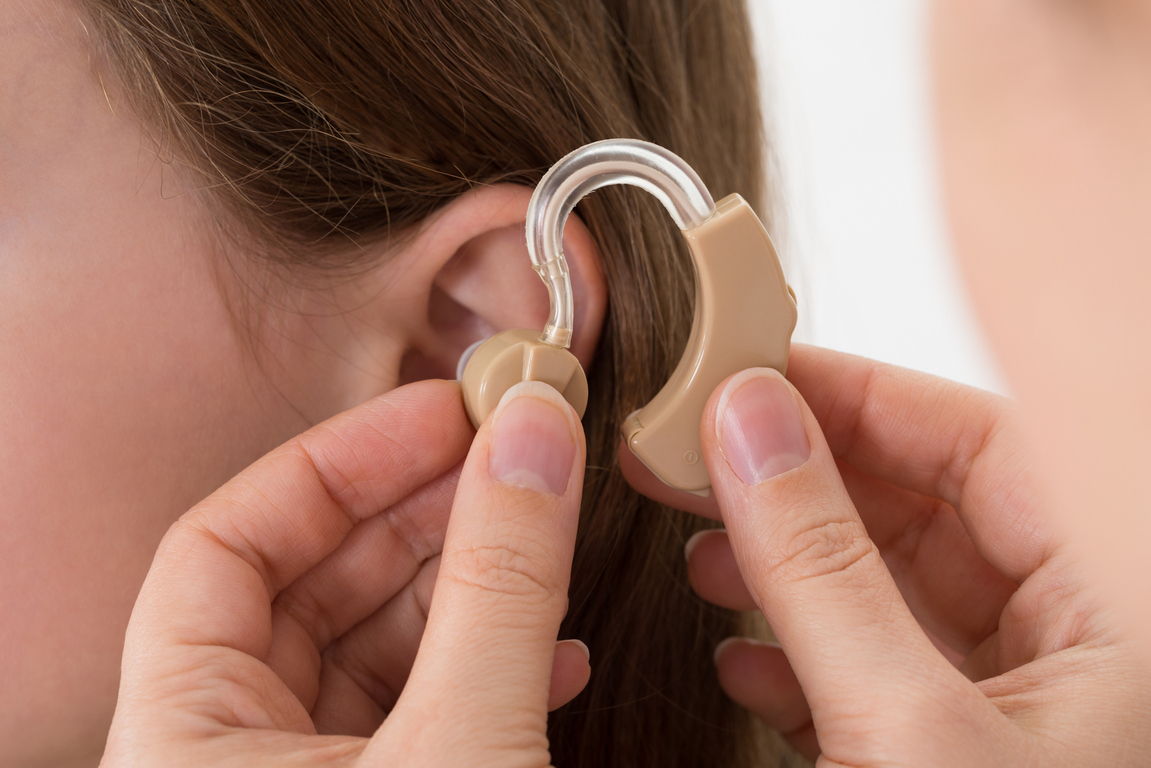
Hearing loss can greatly impact one’s quality of life, making it important to explore solutions such as hearing aids. However, it’s important to educate oneself before buying hearing aids. Below, we will cover all the essential information needed before getting hearing aids. From understanding the types and features of hearing aids to considering lifestyle factors, let’s explore everything one needs to make an informed decision about improving their hearing health.
Types of Hearing Aids
The following are different types of hearing aids available:
Behind-the-ear (BTE) style
In-the-ear (ITE) style
In-the-canal (ITC) style
Each type has its advantages and considerations. BTE models are versatile and suitable for various degrees of hearing loss, while ITE and ITC options are more discreet. One should understand the advantages and disadvantages of each style to choose the right one for their needs.
Features and Technology
Modern hearing aids come with a range of features and advanced technology. Some common features include noise reduction, directional microphones, Bluetooth connectivity, and rechargeable batteries. One should consider their lifestyle and specific hearing needs when choosing the features they want in their hearing aids. One should also understand how to adjust and personalize these features to optimize their hearing experience.
Consult an Audiologist
Consult an audiologist or hearing healthcare professional. They will conduct a hearing evaluation to understand the severity and type of hearing loss. They will then recommend the most appropriate hearing aids and help individuals understand the potential benefits and limitations.
Adjusting to Hearing Aids
It takes time for an individual’s brain to adjust to get accustomed to wearing hearing aids. Initially, sounds may appear different or even overwhelming. Gradually increase the wearing time and practice using the hearing aids in various listening environments. Regular follow-up visits with the audiologist are essential for fine-tuning and addressing any concerns or adjustments needed.
Maintenance and Care
Proper maintenance and care help extend the lifespan of hearing aids and ensure optimal performance. Clean the hearing aids regularly using a soft, dry cloth or a specialized cleaning kit. Store them in a dry place when not in use, and avoid exposing them to moisture or extreme temperatures. Regularly replace the batteries and schedule periodic maintenance checks with the audiologist to keep the hearing aids in top condition.
Financial Considerations and Insurance
One should consider their budget and explore financing options before purchasing hearing aids. Individuals should check if their insurance covers hearing aids or offers any assistance programs. Additionally, inquire about the warranty, return policy, and after-sales service provided by the manufacturer or the hearing healthcare professional.